

For parents of children with autism, the ultimate goal is often independence for their child—the ability for them to navigate the world, express their needs, and manage daily tasks with confidence. While clinical settings offer structured environments, there is a unique magic that happens when Applied Behavior Analysis (ABA) therapy is brought into the home.
In-home ABA therapy isn't just about convenience; it's about naturalistic teaching. By practicing skills where life actually happens, children can achieve breakthroughs that feel less like "lessons" and more like natural growth.
We facilitate this natural growth through personalized in-home ABA therapy that turns daily routines into meaningful learning opportunities.
The Power of the Natural Environment
In the world of ABA, Natural Environment Teaching (NET) is a cornerstone of home-based care. Instead of sitting at a desk with flashcards, a child learns through their daily routine and interactions. This approach ensures that your child doesn't just learn a skill in a vacuum, but learns how to use it when it matters most.
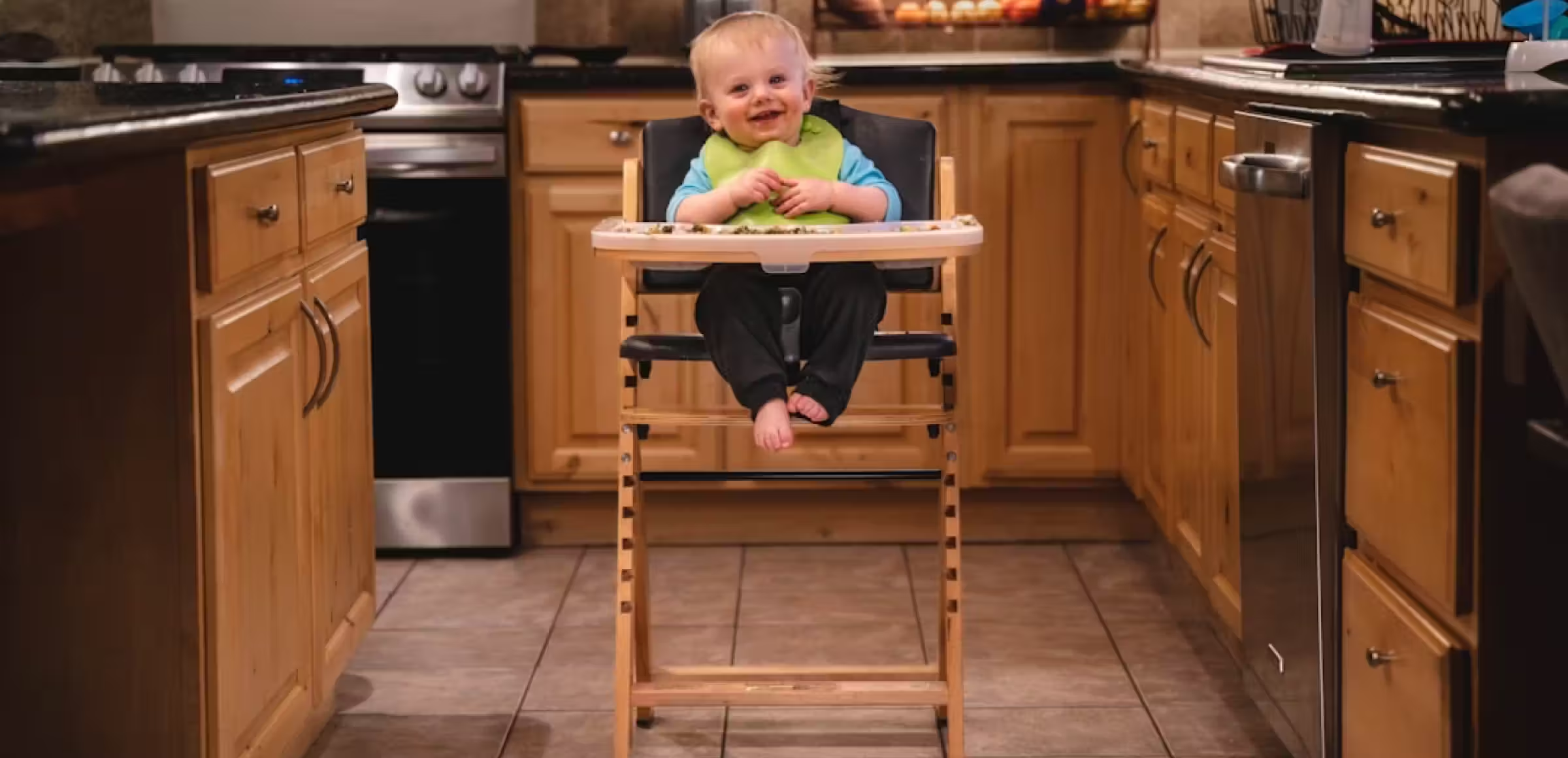
The Kitchen
Learning to ask for a snack, using a spoon, or helping to clear a plate after a meal.
The Bathroom
Mastering the complexities of handwashing, brushing teeth, or potty training in the actual space they use every day.
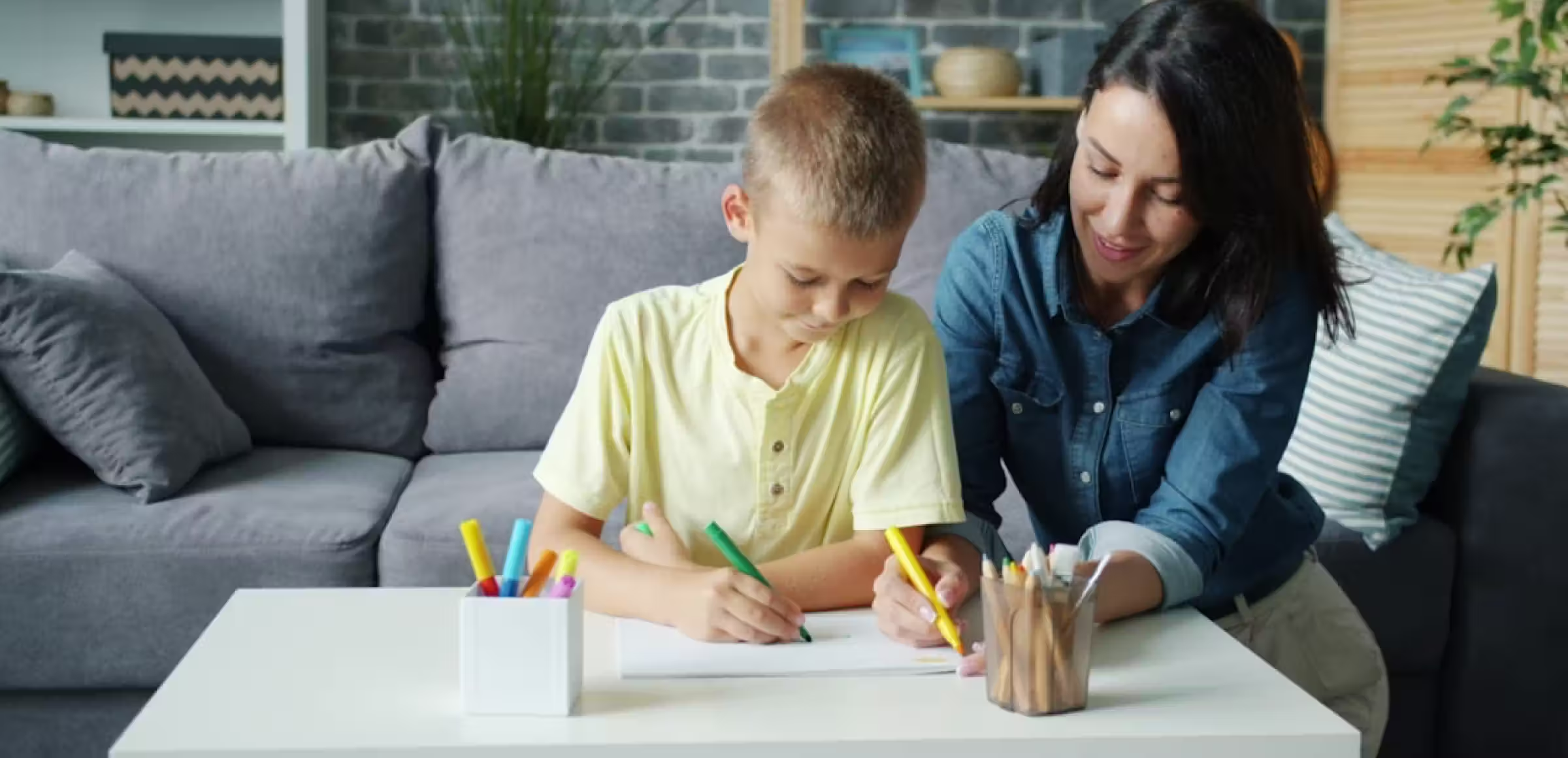
The Living Room
Practicing turn-taking during a family board game or learning to tidy up toys after playtime. Learning with your child's joy. The BEST learning happens when children are engaging in something they love - special interests, or time with family that they enjoy/cherish - naturalistic learning is not just learning in routines, it's learning in ways that are less structured, more centered around real, daily life, and joy should be a part of that.
When a child learns a skill in the environment where they are expected to use it, the need for "generalization"—the ability to transfer a skill from a clinic to the real world—is built in from day one.
Why Learning at Home Makes a Difference
Choosing the home setting for therapy offers several distinct advantages that go beyond the clinic experience:
1. REDUCED ANXIETY AND INCREASED COMFORT
Children are often most relaxed in their own space. This sense of security leads to better focus, higher engagement, and fewer meltdowns, as your child is surrounded by familiar sights, sounds, and smells.
2. AUTHENTIC FAMILY INVOLVEMENT
In-home therapy allows parents and siblings to become active participants. Instead of receiving a summary after a session, caregivers can observe strategies in real-time and learn how to support their child's progress during "off-therapy" hours. The goal is to make therapy strategies feel effortless; being there to develop them together with your therapy team is a huge benefit!
This active participation is the essence of effective ABA parent training strategies, ensuring you feel confident applying these skills on your own.
3. REAL-LIFE SOCIAL DYNAMICS
Therapy at home can include siblings or neighborhood friends. This allows the therapist to coach your child through real-world social interactions, such as sharing a favorite toy or resolving a conflict with a brother or sister.
4. HIGHLY CUSTOMIZED ROUTINES PROGRAMS ARE BUILT AROUND THE FAMILY'S SPECIFIC LIFESTYLE
Whether it's a difficult morning routine before school or a stressful bedtime ritual, the therapist can provide direct support during the exact times the family needs it most.
Bridging the Gap to Independence
One of the biggest strengths of home-based ABA is its focus on Activities of Daily Living (ADLs). These are the fundamental "life skills" that allow a child to navigate their environment safely and independently, now and as they grow.
For example, a therapist might work with a child on:
Self-Care
Choosing appropriate clothes for the weather and dressing independently.
Safety Skills
Learning to stay close to a caregiver while walking to the mailbox or to identify "hot" vs. "cold" at the kitchen sink.
Functional Communication
Using a communication device or verbal cues to tell a parent they are tired, hungry, or need a break, which significantly reduces frustration-based behaviors.
"When we teach a child to wash their hands in a clinic, we are teaching a task. When we teach them in their own bathroom, we are teaching them a life-long habit."
A Collaborative Journey Toward Growth
In-home ABA therapy turns everyday surroundings into meaningful opportunities for progress, empowering parents to become the primary advocates for their child's development.
At Tellos, we believe that the home is where the heart is—and where the most impactful learning happens. Our compassionate therapists work alongside your family to create individualized programs that fit seamlessly into your daily life, helping your child build independence while strengthening family bonds.
If you're considering in-home ABA therapy and want to learn more about how natural environment teaching can benefit your child, we're here to help. Reach out today for a free consultation, and let's start building a brighter future together—right where you are.