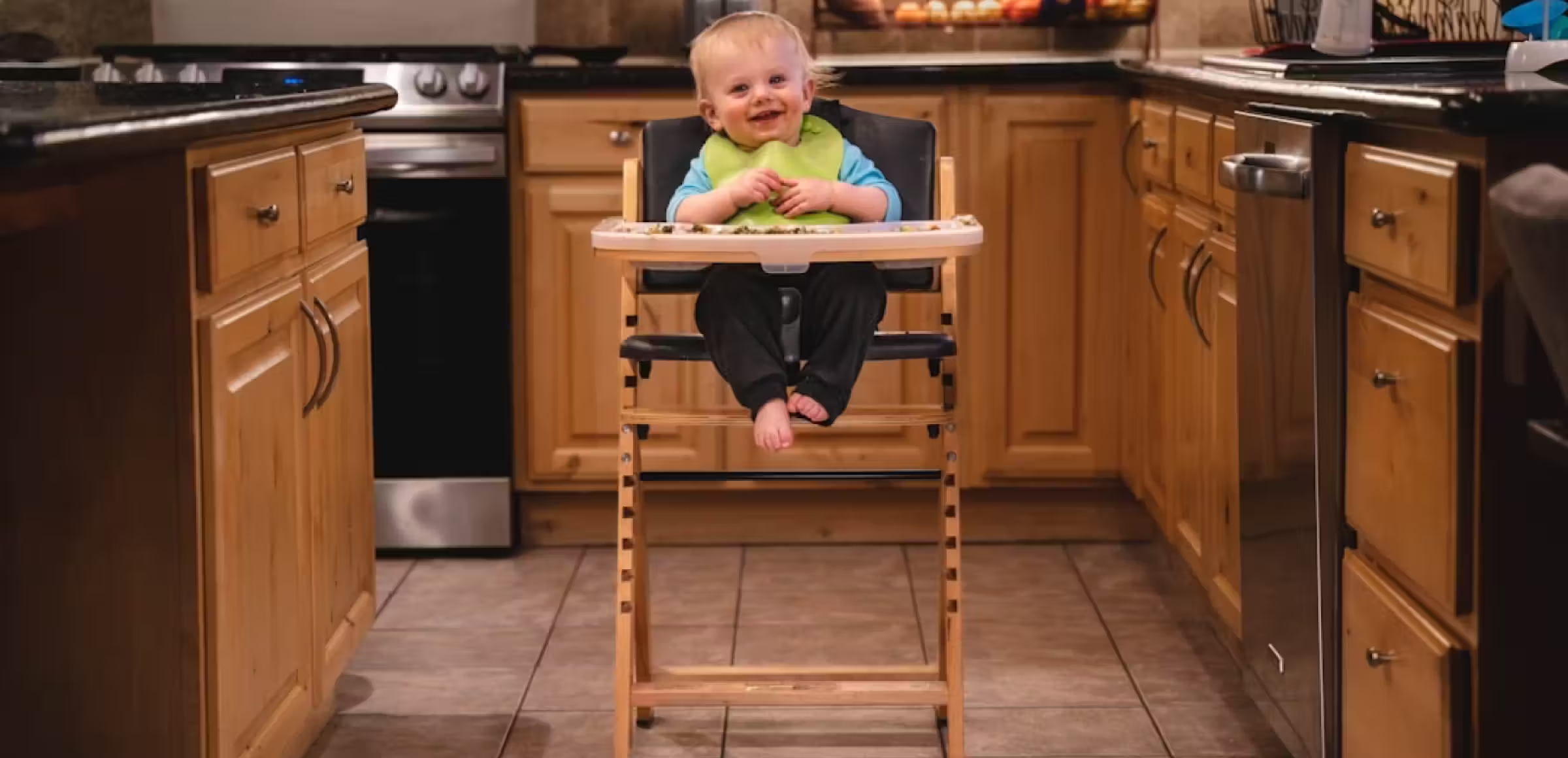



Mealtimes. For many families, they're a chance to connect, nourish, and enjoy. But if you have a child on the autism spectrum, you might find mealtimes can be… well, a little more complicated. Maybe a lot more complicated.
We at Tellos understand. We know that food and texture sensitivities are incredibly common for children with autism. What might seem like simple "picky eating" can actually be a significant source of stress for your child, and your whole family.
Imagine the frustration of preparing a healthy meal only to have it met with distress, refusal, or even meltdowns. Picture the worry about your child getting the nutrition they need when their diet seems limited to just a few items. These aren't just minor inconveniences; they can impact your child's health, social interactions (think birthday parties or school lunches!), and overall well-being.
Is extreme picky eating in autism a sensory issue or a behavior problem?
This is one of the most critical distinctions for parents to make. For children with autism, extreme food refusal is almost always rooted in sensory or anxiety-based issues, not simple behavioral defiance.
Sensory Issue
Your child may genuinely experience the food as aversive or even painful. The texture (slimy, lumpy, sticky), the smell (overpowering), or the taste (bitter, salty, sour) creates a physical rejection response in their nervous system. The refusal is a protective behavior driven by overwhelming sensory input.
Behavior Problem (Tantrum)
Refusal through a tantrum is typically goal-oriented, such as demanding ice cream instead of vegetables. While a child on the spectrum may use behavior to avoid aversive food, the underlying cause of the refusal remains the sensory aversion.
Understanding this shifts the response from discipline and pressure to empathy and systematic, gentle support.

What is the ARFID diagnosis and is it related to autism?
ARFID stands for Avoidant Restrictive Food Intake Disorder. It is a formal eating disorder diagnosis that is often highly relevant to the autistic population. Your child may or may not have an ARFID diagnosis, but it is important to be aware of.
What it is
ARFID is characterized by eating disturbances that involve avoidance or restriction of food intake, leading to significant nutritional deficiency, reliance on nutritional supplements, or interference with psychosocial functioning.
Relationship to Autism
ARFID is common among children on the autism spectrum because it is often triggered by the same factors: extreme sensory sensitivities to the characteristics of food (texture, smell, taste) and fear of adverse consequences (choking, vomiting).
Impact
If your child's diet is severely limited (i.e, your child may eat 20 or fewer foods in total), or if their refusal is causing them to miss out on meals nutritionally or socially, exploring a potential ARFID diagnosis with a feeding specialist or your pediatrician is important so that you can address nutritional needs early.
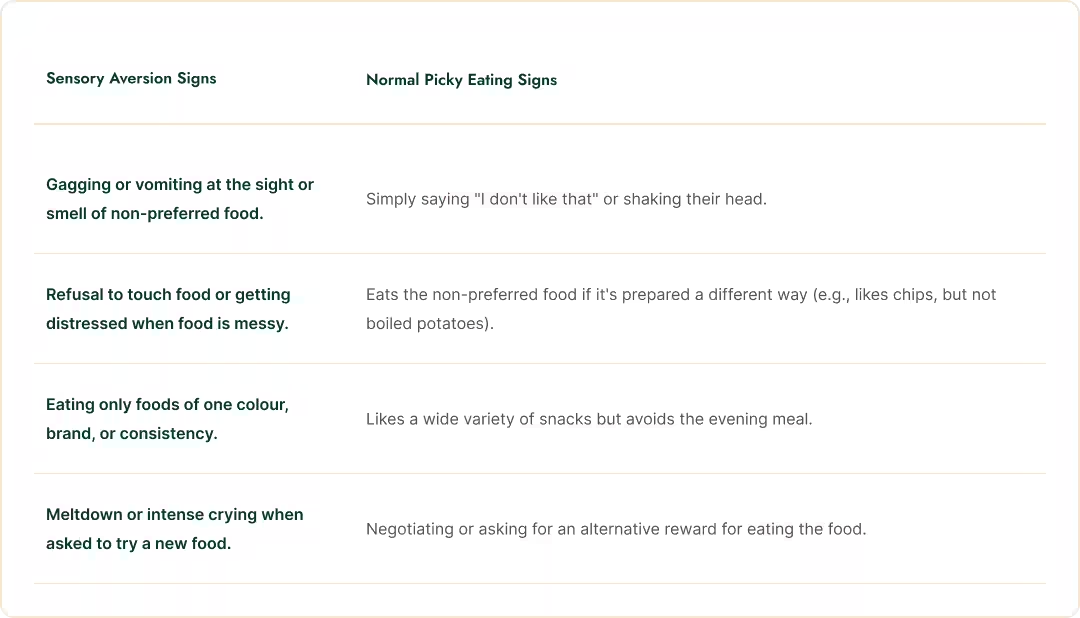
What are the signs of sensory food aversion vs normal picky eating?
Identifying the root cause is the first step towards finding effective support. Normal picky eating usually resolves over time and involves a choice about flavour preference; sensory aversion involves a much stronger, visceral reaction.
What are safe foods for autistic children with texture aversions?
"Safe foods" are the limited items your child reliably accepts and eats without distress. While every child is unique, accepted foods often share certain characteristics because they offer predictable and consistent sensory input.
Dry and Crunchy
Many children tolerate predictable textures that dissolve quickly in the mouth, like plain crackers, dry cereals, chips, or toast. The loud sound of the crunch can be organising for some.
Smooth and Consistent
Foods with no lumps or irregularities are often accepted, like specific brands of smooth yoghurt, certain pureed fruit pouches, or smoothies.
Uniform Colour and Shape
Foods that look the same every time and do not touch on the plate (sometimes called non-contact foods) like chicken nuggets, french fries, or plain pasta.
High Carbohydrate
White bread, pasta, and plain crackers provide predictable flavour and texture, offering a comforting sense of control.
It's important to remember that the specific brand or preparation is often non-negotiable for the child, and this preference should be respected.
How does ABA therapy address food selectivity in children with autism?
At Tellos, our compassionate approach uses evidence-based strategies rooted in Applied Behaviour Analysis (ABA) to help children gradually explore and accept a wider variety of foods. We focus on building a positive association with food, not forcing consumption.
Systematic Desensitisation
This involves the gradual, slow introduction of new foods, starting with non-threatening steps like having the food on the table, then on the plate, then touching it, and finally, tasting it.
Positive Reinforcement
Success at each small step (e.g., touching the food, smelling the food) is heavily celebrated and reinforced with high-value rewards (a favourite toy, a preferred activity).
Sensory Exploration
Our therapists facilitate non-threatening interaction with the food outside of eating. Your child might be encouraged to paint with yoghurt, squish the banana, or smell the pepper, reducing their anxiety about the item.
Creating Predictable Routines
Establishing a consistent mealtime routine and environment reduces the overall anxiety surrounding the event, making the child more open to exploring.
These routines are the foundation for mastering daily living skills that promote independence at the dinner table and beyond.
How can I introduce new textures to my child with autism?
Introducing new textures must be done patiently and without pressure, focusing on play and sensory exposure rather than eating.
Start Outside the Mouth
Begin by allowing your child to interact with the new texture with their hands and fingers. Let them squish, roll, or poke the food (e.g., cooked vegetables, cooked rice) on a separate tray.
Use Bridging
Introduce a new food that shares a characteristic with an accepted food. For example, if your child likes smooth banana yoghurt, try a smooth peach yoghurt before introducing peach slices.
Use Tiny Amounts
When you do progress to tasting, introduce food in the smallest amount possible—a tiny dot on a spoon or a quick lick. The goal is exposure, not consumption.
Pairing
Place the non-preferred food next to the preferred food (the safe food) on the plate. Don't force them to eat it; simply having it near the accepted food creates a neutral association.
Tellos: Partnering with You on Your Food Journey
Learning to navigate food and texture sensitivities isn't always easy, but it's absolutely possible. By understanding the "why" behind your child's preferences and using compassionate, evidence-based strategies, you can help them develop a healthier relationship with food and create more peaceful mealtimes for your whole family.
At Tellos, we're here to be your partners in this journey. We believe that by addressing these fundamental challenges, we can empower your child to thrive and equip your family with the skills and knowledge to support them for years to come.
If you're struggling with your child's food sensitivities and are curious about how in-home ABA therapy with Tellos can help, we encourage you to reach out for a free consultation. Let's talk about how we can help your family find more food peace.
People Also Ask Questions
- Is extreme picky eating in autism a sensory issue or a behavior problem?
- What is the ARFID diagnosis and is it related to autism?
- What are safe foods for autistic children with texture aversions?
- How does ABA therapy address food selectivity in children with autism?
- What are the signs of sensory food aversion vs normal picky eating?
- How can I introduce new textures to my child with autism?