



As parents, we cherish every unique thing about our children. For families with children on the autism spectrum, this uniqueness often comes with its own set of wonderful strengths and sometimes, significant challenges. One area that can feel particularly overwhelming is understanding and supporting your child's emotions, especially when those big feelings feel difficult for them (and for us!) to manage.
At Tellos, we believe that truly understanding your child's individual way of experiencing and expressing emotions is the very first step towards helping them – and your whole family – thrive. You might notice your child has intense reactions to things that seem small to others, or perhaps they struggle to communicate how they're feeling until those feelings become overwhelming. These aren't signs of defiance or being "difficult"; they are often indicators of differences in how their brain processes information and regulates emotional responses.

Why does my autistic child have intense emotional meltdowns over small things?
When a reaction seems vastly disproportionate to the trigger (a broken biscuit, a light going out), it is often a sign of dysregulation rooted in differences in sensory and cognitive processing, not a choice by your child to be dramatic.
Sensory Overload
The world is often experienced at a much higher volume by a child with autism. That "small thing" might be the tipping point following hours of quietly tolerating bright lights, background noise, or scratchy clothing. Once the limit is reached, the brain goes into survival mode, resulting in a meltdown. Developing sensory awareness strategies can help you identify these triggers before they become overwhelming.
Difficulty With Processing Transitions
Changes in routine, even minor ones like moving from one activity to the next, can require a massive cognitive shift. For children who thrive on predictability, the sudden shift out of a routine can feel like a threat.
Communication Block
Your child might not have the words or the social communication skills to signal frustration or distress before it boils over. The meltdown is the only available means for communicating "I need help" or "I am overwhelmed."
Is a meltdown the same as a tantrum for a child with autism?
No. This is perhaps one of the most important distinctions parents can make, as understanding the difference changes how you respond.
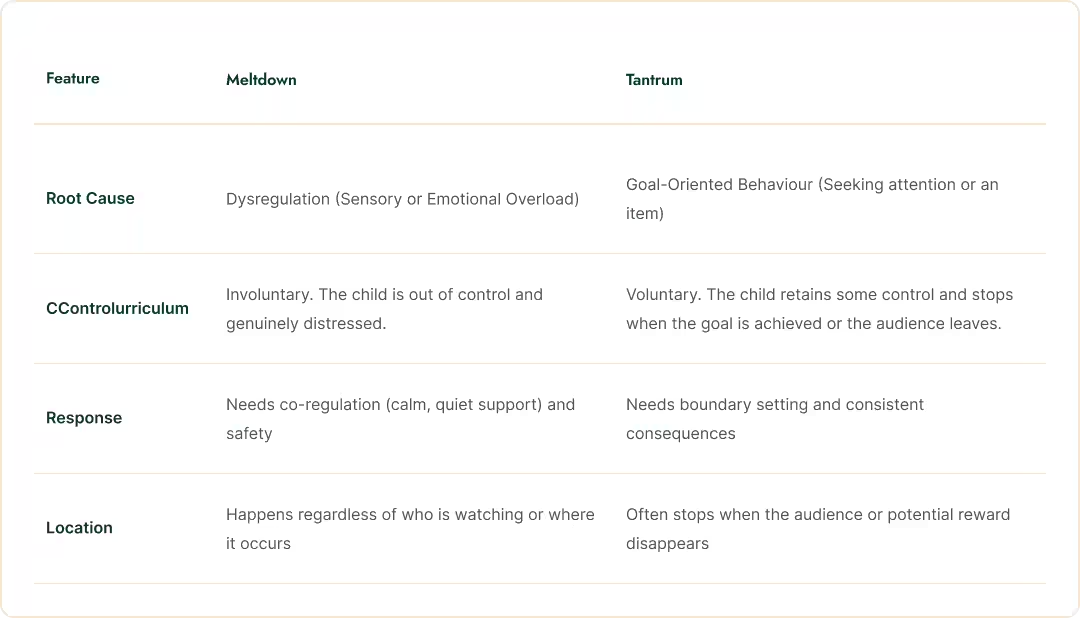
A meltdown is a panic state triggered by a brain that is overloaded, while a tantrum is a learned social behaviour used to get a need met. With a child on the spectrum, intense emotional episodes are almost always meltdowns requiring compassionate support.
What is self-regulation and why is it difficult for autistic children?
Self-regulation is essentially having an inner toolkit that allows us to manage our emotions, focus our attention, and control our impulses so we can function in the world. For many children on the autism spectrum, developing these skills requires more time and direct teaching.
Interoception Challenges
This refers to the ability to sense internal body signals like hunger, a full bladder, or rising anger. When a child struggles with interoception, they may not feel a big emotion building up until it is already at a level ten intensity.
Executive Functioning Differences
Self-regulation heavily relies on executive functioning skills, which involve planning, shifting attention, and inhibiting inappropriate behaviours. Differences in these areas make it harder for a child to consciously choose a calming strategy when they feel overwhelmed.
Sensory Input Issues
The constant effort to filter and tolerate intense sensory input (noises, smells, visual clutter) can deplete a child's regulatory reserves rapidly.
How can I teach my autistic child to name and express their feelings?
Teaching emotional communication is paramount. Simply labelling an emotion is the first step towards gaining control over it. This process should be taught systematically and visually.
Visual Aids and Emotion Charts
Use photos or drawings of faces showing different emotions (happy, sad, angry, scared). Help your child point to the face that matches how they feel at different points in the day, especially when calm.
Social Stories
Create simple, personalised stories that explain what an emotion feels like in the body ("When I feel angry, my tummy feels tight") and what they can do next ("take a deep breath").
The Power of Validation
Before you teach a skill, validate the feeling. Say, "I can see you're angry because the block fell." This connects the physical sensation to the word and shows them that their feeling is seen and accepted.
Use the First/Then Strategy
When teaching coping skills, use a simple visual like "First, deep breath, then get the toy."

What are some calming strategies for an overstimulated autistic child?
When a child is clearly overstimulated and heading for a meltdown, the goal is not teaching but co-regulation—helping their nervous system return to a safe state. The best strategies involve sensory input that is predictable and soothing.
Deep Pressure and Weight
A weighted blanket, a gentle bear hug (if they tolerate touch), or rolling up in a firm yoga mat can provide calming, deep sensory input.
Proprioceptive Input
Activities that involve heavy work—pushing a chair, carrying a basket of books, or squeezing a stress ball—can be very grounding.
Sensory Sanctuary
Have a designated quiet space with dim lighting and minimal noise where your child can retreat. This removes the overwhelming sensory input.
Repetitive, Predictable Activities
Swinging, rocking, or listening to rhythmic music can be organising and soothing.
How does ABA therapy help with emotional regulation?
The deep understanding of your child's emotional world is at the heart of how we approach in-home Applied Behaviour Analysis (ABA) therapy at Tellos. We don't just focus on changing behaviours; we focus on understanding the why behind those behaviours.
Functional Behaviour Assessment (FBA)
Our compassionate therapists first conduct an FBA to observe and identify the precise triggers (antecedents) and the function (the why) of your child's intense emotional responses.
Proactive Skill Teaching
Instead of waiting for meltdowns, we proactively teach your child replacement skills, such as using a visual communication card or asking for a break before they become overwhelmed.
Parent Empowerment
We empower you, as parents, with the knowledge and skills to confidently support your child's emotional well-being every day. You learn how to use visual supports and calming strategies consistently to build a more supportive home environment.

Taking the First Step: It Starts with Connection
You are the expert on your child. Your observations and insights are invaluable. Taking the time to think about and even jot down notes about your child's emotional responses and self-regulation can be a powerful first step.
If you're curious about how ABA therapy at Tellos can further support your child's emotional growth and your family's journey, we're here to listen and answer your questions without any pressure or jargon. Understanding is the foundation of progress, and we're passionate about helping you build that strong foundation with your amazing child.
Reach out to us today for a compassionate conversation about how we can partner with you. You're not alone in navigating these important aspects of your child's development.
People Also Ask Questions
- Why does my autistic child have intense emotional meltdowns over small things?
- What is self-regulation and why is it difficult for autistic children?
- How can I teach my autistic child to name and express their feelings?
- Is a meltdown the same as a tantrum for a child with autism?
- How does ABA therapy help with emotional regulation?
- What are some calming strategies for an overstimulated autistic child?